
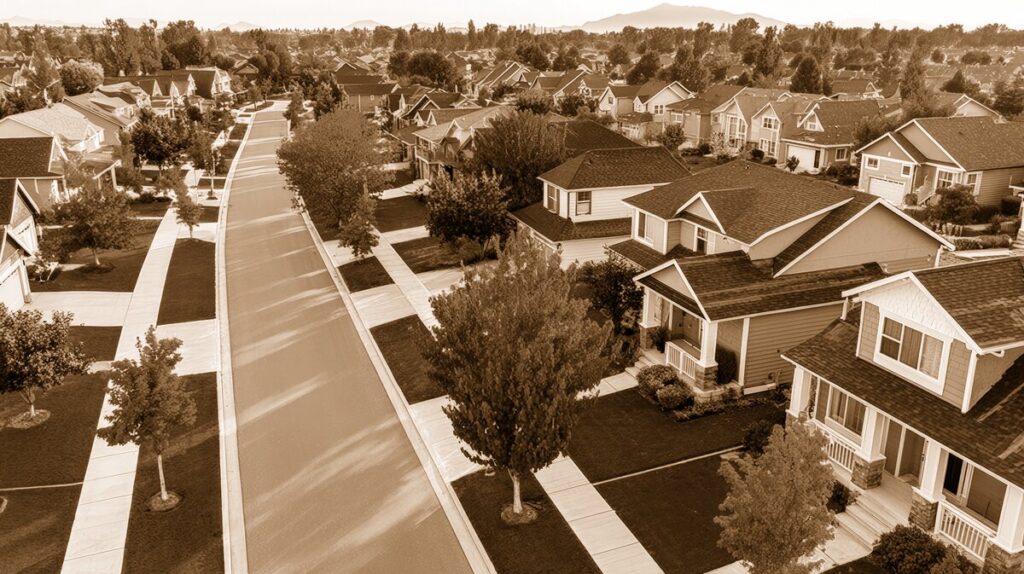
Nestled just east of downtown Syracuse and bordered by bustling arteries like James Street and East Genesee Street, Lincoln Hill stands as a proud testament to the city’s layers of history and ever-evolving community spirit. Though it might be quietly tucked away from Syracuse’s busier districts, Lincoln Hill’s story is one of steady growth, cultural roots, and cherished heritage. Whether you’re a longtime resident or a first-time visitor passing through, you’ll sense the neighborhood’s warmth in every corner.
Origins: From Farmland to Foundation
Long before paved streets and sturdy homes defined the landscape, Lincoln Hill was characterized by gently rolling terrain and farmland in the mid-1800s. The area remained mostly rural through the 19th century, owing to its distance from the Erie Canal and early railroad lines, which shaped the heart of Syracuse’s urban development.
Everything changed in the late 19th and early 20th centuries. Syracuse was booming—a destination for immigrants and workers drawn by the city’s growing salt, manufacturing, and railroad industries. Land developers and city planners looked to the eastern hills above downtown for new housing opportunities. Lincoln Hill gradually emerged as a residential enclave, offering peaceful elevation and sweeping vistas of the city below.
What’s in a Name? The Lincoln Legacy
Many wonder how Lincoln Hill earned its name. Local historians believe the neighborhood was named in honor of President Abraham Lincoln in the decades following his assassination in 1865—a trend that swept the nation. In Syracuse, the Lincoln School (once located on Hawley Avenue, just southwest of the area) and other sites paid tribute to the beloved president. Eventually, as development crept up the hill, the area adopted the Lincoln moniker—reflecting hope, unity, and progress.
Key Historical Milestones
- Early 1900s Boom: By the 1910s and 1920s, streetcars extended east along James Street, making Lincoln Hill more accessible and attractive to families seeking homes outside the dense urban core. Blocks along Oak Street, Stanley Avenue, and Columbus Avenue filled with sturdy craftsman-style homes, many of which still stand today.
- Community Anchors: Churches played a central role in shaping neighborhood life. St. Vincent de Paul Church, established in 1909 on Vine Street, quickly became a community pillar—welcoming waves of Irish, German, and Italian families. Other sacred sites, like the Lincoln Seventh Day Adventist Church on East Genesee, have helped sustain the neighborhood’s tight-knit feel.
- Parks and Playgrounds: Lincoln Park—bordered by Hawley Avenue, Robinson Street, and minor tributaries—remains a community gem. Offering green space, a playground, athletic fields, and city-run events, the park has served as a gathering spot for generations.
- Mid-century Transitions: After World War II, Lincoln Hill saw an influx of returning veterans and young families. New apartment buildings cropped up along Burnet Avenue and Teall Avenue, reflecting modern housing trends. At the same time, close proximity to Syracuse University and nearby elementary schools helped keep the neighborhood vibrant and diverse.
Landmarks and Institutions: The Soul of Lincoln Hill
Certain buildings and landmarks encapsulate Lincoln Hill’s story:
- The Lincoln Building (Burnet Avenue and South Crouse Avenue): Once a hub for local commerce and community gatherings, this early-20th-century structure now houses shops and apartments, linking past to present.
- St. Vincent de Paul Church and School: This imposing stone edifice, set back from the street with its spire visible for blocks, has hosted not only religious services but also holiday bazaars, food drives, and youth sports.
- Lincoln Park Community Center: More than just a rec hall, the center on Robinson Street has long offered after-school programs, senior fitness, summer camps, and meals, making it a true heart of the neighborhood.
- The Old Firehouse (James Street): Now repurposed, the firehouse building stands as a striking reminder of Lincoln Hill’s role in protecting and serving Syracuse’s east side for decades.
Evolution Through the Decades
Lincoln Hill’s character reflects the broader currents of Syracuse’s history. Through periods of growth and challenge, this neighborhood has demonstrated an ability to adapt while preserving its neighborly soul:
- The 1960s and 1970s: As suburbanization drew some families further out, Lincoln Hill doubled down on community. Residents banded together to beautify Lincoln Park, expand block clubs, and support small businesses—laying the groundwork for today’s grassroots efforts.
- New American Communities: In recent decades, Lincoln Hill, like parts of the Northside, has opened its doors to new waves of immigrants and refugees. Bosnian, Somali, and Bhutanese families have added fresh traditions, new cuisines, and youthful energy—keeping local schools dynamic and fostering a spirit of shared resilience.
- Current Day: Today, you’ll find the same tree-lined streets—Stanley Avenue, Carbon Street, and South Salina—graced with children playing ball, neighbors chatting on porches, and community pride banners waving from fences. Lincoln Hill’s blend of stately old homes, active parks, block parties, and multicultural establishments offers a little something for everyone.
A Neighborhood to Treasure
Ask any longtime Lincoln Hill resident what makes their neighborhood special and you’ll hear familiar answers: the view from Lincoln Park at sunset, the clangor of children’s laughter spilling down Robinson Street, the smell of home-cooked meals drifting from kitchens on a Sunday.
Lincoln Hill is more than just a collection of streets and buildings. It is a living history, a tapestry of families, and a place where change and tradition walk hand in hand. Whether you’re attending a festival at Lincoln Park, savoring coffee from a local café, or just enjoying the neighborhood’s inviting pace, you’re part of a legacy that stretches back through generations.
So take a wander up the hill, pause to imagine the carriages and streetcars of a century past, and know that in Lincoln Hill, the best stories are still being written—one neighbor at a time.